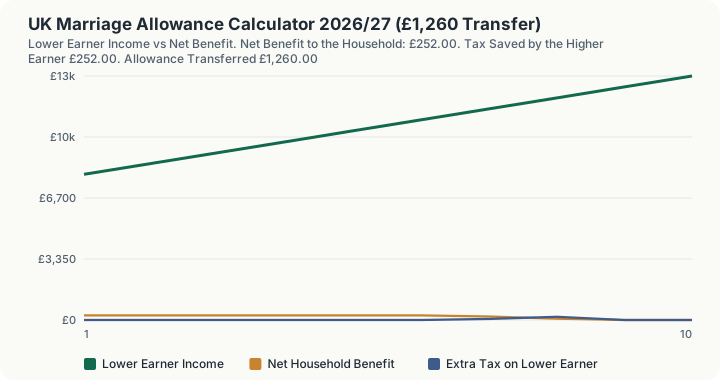
Quick Answer: Where one partner earns £8,000 and the other £30,000, transferring £1,260 of Personal Allowance is worth £252.00 a year to the household. The higher earner saves £252 and the lower earner pays nothing extra, because £8,000 is still below their reduced £11,310 allowance. Backdated four years, the claim is worth £1,260.
What does this calculator do?
Marriage Allowance lets a spouse or civil partner transfer £1,260 of Personal Allowance to the other, provided the recipient is a basic rate taxpayer. The headline benefit is £252, being £1,260 taxed at 20%.
The part almost every calculator omits is that the transfer is not free. The partner giving up the allowance keeps only £11,310 instead of £12,570. If their income sits between those two figures, they begin paying tax they would not otherwise have paid, and the household keeps less than £252. At exactly £12,570 the claim is worth precisely nothing: the lower earner pays £252 more and the higher earner saves £252.
This is why the claim is genuinely valuable for a non-earner or a low earner, and pointless for someone using their whole allowance.
How is this calculated?
Step 1: Eligibility. Three conditions must hold. The transferring partner must earn no more than £12,570. The receiving partner must be a taxpayer, so earning above £12,570. And the receiving partner must be a basic rate taxpayer, meaning income no higher than £50,270 in England, Wales and Northern Ireland, or £43,662 in Scotland.
Step 2: The recipient's saving. They gain £1,260 of allowance, worth 20% of it, capped at the tax they actually have to save:
Saving = 0.20 × min(1,260, recipient’s taxable income)
Step 3: The transferor's cost. Their allowance falls to £11,310, so any income above that becomes taxable:
Cost = 0.20 × max(0, transferor’s income − 11,310)
Step 4: Net household benefit is the saving less the cost. It runs from the full £252 down to nil as the transferor's income rises from £11,310 to £12,570.
Worked Example
Lower earner £8,000, higher earner £30,000:
- Lower earner's reduced allowance is £11,310, and £8,000 is below it, so no extra tax
- Higher earner's allowance rises to £13,830, cutting taxable income by £1,260
- Saving: £1,260 × 20% = £252
- Net household benefit: £252
Lower earner £12,000 (inside the taper):
- Reduced allowance £11,310, so £690 of income becomes taxable → £690 × 20% = £138 of new tax
- Higher earner still saves £252
- Net benefit: £252 − £138 = £114, less than half the headline figure
Lower earner £12,570 (using the full allowance):
- £1,260 becomes taxable → £252 of new tax, exactly cancelling the £252 saving
- Net benefit: nil. The claim is pointless at this income.
Higher earner £60,000:
- A higher rate taxpayer, so the claim is not permitted at all
Reading the Taper Off the Schedule
The ten-row table on this page steps the lower earner's income up in £600 increments and shows the benefit collapsing in real time. With the higher earner held at £30,000, these are the calculator's own rows:
| Lower earner income | Net household benefit | Extra tax on lower earner |
|---|---|---|
| £8,000 | £252.00 | £0.00 |
| £11,000 | £252.00 | £0.00 |
| £11,600 | £194.00 | £58.00 |
| £12,200 | £74.00 | £178.00 |
| £12,800 | £0.00 | £0.00 |
| £13,400 | £0.00 | £0.00 |
The first six rows are flat at £252.00 because £11,000 is still under the reduced £11,310 allowance. The last two rows are zero for a completely different reason: at £12,800 the lower earner is above £12,570, so the calculator reports "The transferring partner earns more than the Personal Allowance" and the claim is refused outright. Two zeros, two different mechanisms.
The first boundary, to the pound. At a lower earner income of £11,310 the benefit is £252.00 and the extra tax is £0.00. At £11,311 the benefit is £251.80, with £0.20 of new tax on the transferring partner. One pound of extra income is the moment the claim stops being free.
The marginal cost of earning more. Sweeping the lower earner from £11,310 to £12,510 in £100 steps, every single step reduces the net benefit by exactly £20.00. Each £100 the lower earner earns inside the taper hands £20 back, an effective 20% clawback on income that would otherwise be untaxed. At £11,810 the benefit is £152.00; at £12,000 it is £114.00, with £138.00 of new tax against the unchanged £252.00 saving.
The reverse question. The lower earner can earn up to £11,310 before the claim loses a penny, which is the Personal Allowance less the £1,260 given away. Every pound above that costs 20p of household benefit until it reaches nil.
At exactly £12,570 the claim is worth £0.00 while both halves are at their maximum: the higher earner saves £252.00 and the lower earner pays £252.00 more. The "Value If Backdated Four Years" line also reads £0.00, because the engine simply multiplies the annual benefit by five. At a £12,000 lower earner income the same line reads £570.00 rather than the £1,260 headline.
The Two Cliffs on the Higher Earner's Side
The recipient's income produces genuine cliffs, not tapers, and the engine returns zero with a named reason on the wrong side of each.
The basic rate ceiling. With the lower earner on £8,000 and the region set to England, Wales or Northern Ireland, a recipient income of £50,270 returns £252.00. At £50,271 it returns £0.00 and the eligibility line changes to "The receiving partner is a higher rate taxpayer, which disqualifies the claim." One pound of income destroys the entire £252.00.
The same cliff sits £6,608 lower in Scotland. Switch the region and a recipient on £43,662 still returns £252.00, while £43,663 returns £0.00. A couple with a recipient on £45,000 collects £252.00 in England and nothing at all in Scotland, on identical income.
The floor beneath the recipient. A recipient on £12,570 returns £0.00 with the reason "The receiving partner is not a taxpayer." At £12,571 the benefit is £0.20, and it climbs a pound at a time until the recipient has £1,260 of taxable income at £13,830, where the full £252.00 finally appears. Below that, the transferred allowance is larger than the tax there is to relieve.
When the Claim Is Actively Worse Than Not Claiming
The net benefit this engine returns can be negative, and the page's headline figure will show it as such rather than flooring at zero.
Lower earner £12,000, higher earner £13,000. The recipient has only £430 of taxable income, so the saving is £86.00, while the transferring partner picks up £138.00 of new tax. The net household benefit is minus £52.00.
Lower earner £12,500, higher earner £12,800. Saving £46.00, extra tax £238.00, net minus £192.00 a year. Backdated across five years that is a £960 self-inflicted loss, and because the transfer renews automatically it is exactly the case that goes unnoticed.
The engine tests eligibility on total income only. It does not check whether either partner's income is made up of dividends or savings interest taxed at other rates, so a recipient whose income sits just under a ceiling because of a dividend mix may be classified differently by HMRC than by this page.
What does this calculator not account for?
- The Married Couple's Allowance, a separate and more generous relief available only where one spouse was born before 6 April 1935. You cannot claim both.
- Scottish intermediate rate taxpayers. Recipients paying the 21% intermediate rate remain eligible, but the calculator applies relief at 20%, which slightly understates their saving.
- Dividend and savings income in either partner's income, which can affect whether the recipient is genuinely a basic rate taxpayer.
- Mid-year changes such as marriage, separation, or a partner's death, where the claim is apportioned or transfers differently.
- The claim mechanics. The transfer is made by the lower earner through their Personal Tax Account, and continues automatically until cancelled.
- How the benefit is delivered. It usually arrives as a changed tax code for the recipient rather than a payment, so it appears as slightly higher take-home pay.
- Whether backdating is available. The four-year backdating figure assumes the same circumstances applied in each earlier year, which is often not the case.
What mistakes do people make with this?
- Assuming it is always worth £252. It is worth £252 only where the lower earner is comfortably below £11,310. Between £11,310 and £12,570 it tapers to nothing.
- Claiming when the lower earner uses their full allowance. At £12,570 the claim nets exactly zero, and the household has gained nothing for the paperwork.
- Getting the direction wrong. The lower earner applies to give allowance away. Applications made by the higher earner are rejected.
- Overlooking the Scottish ceiling. A recipient on £45,000 is a basic rate taxpayer in England but above the £43,662 Scottish ceiling, and therefore ineligible in Scotland.
- Forgetting to cancel it. The transfer continues automatically year to year. If the lower earner's income rises, the claim can quietly become worthless or, as the calculator shows, negative.
- Missing the backdating. A claim can be backdated four tax years, so a first claim can be worth up to five years of benefit at once.
Frequently Asked Questions
Is Marriage Allowance always worth £252?
Who applies, the higher or lower earner?
Can I claim if my partner is a higher rate taxpayer?
Can I backdate a claim?
How do I actually receive the money?
Does it renew automatically?
Sources
- HM Revenue and Customs (HMRC), the official authority for the national tax authority this calculator relates to. gov.uk/government/organisations/hm-revenue-customs
All figures verified on 30 August 2026 and mirrored in engine/tables/2026/uk-2026-27.json
Also consulted: GOV.UK: "Marriage Allowance", £1,260 transferable, maximum saving £252, four-year backdating; GOV.UK: "Marriage Allowance: how it works", eligibility conditions and the Scottish basic rate ceiling of £43,662; GOV.UK: "Income Tax rates and Personal Allowances", the £12,570 allowance from which the transfer is made.