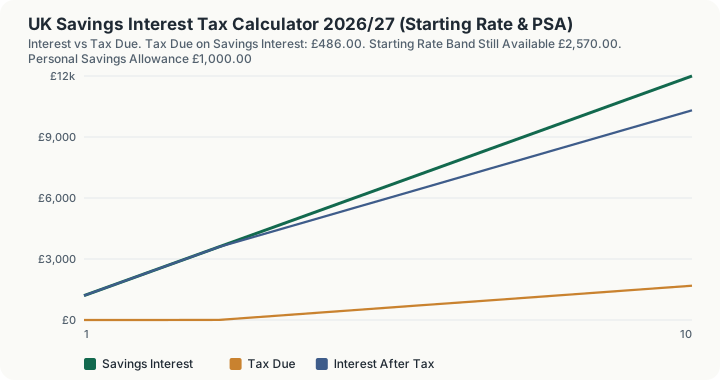
Quick Answer: With £15,000 of other income and £6,000 of savings interest, you pay £486.00 of tax on the interest. £3,570 of it is taxed at 0%, £2,570 of remaining starting rate band plus the £1,000 Personal Savings Allowance, and the other £2,430 is taxed at 20%. Someone with £10,000 of income and £8,000 of interest pays nothing at all.
What does this calculator do?
Savings interest has two separate tax-free amounts, and they work differently. Understanding which one you get is what determines your bill.
The starting rate for savings is £5,000, but it is withdrawn pound for pound by your taxable non-savings income. Anyone earning more than £17,570 gets none of it. It exists for people whose income is mostly interest: pensioners living off savings, or someone with a small salary and a large deposit.
The Personal Savings Allowance is separate and depends on your tax band: £1,000 basic rate, £500 higher rate, nothing at all for additional rate taxpayers.
Interest inside an ISA is not taxable and sits outside all of this.
How is this calculated?
Step 1: Non-savings income first. Salary, pension and rental income use up the Personal Allowance and then the basic rate band. Whatever is left of your taxable income is what savings interest sits on top of.
Step 2: The starting rate band. It begins at £5,000 and is reduced pound for pound by taxable non-savings income:
Starting rate available = max(0, 5,000 − taxable non-savings income)
Because the Personal Allowance is £12,570, the band is exhausted once total non-savings income reaches £17,570. Interest falling within whatever remains is taxed at 0%.
Step 3: The Personal Savings Allowance then covers a further slice at 0%: £1,000 if you are a basic rate taxpayer, £500 if higher rate, nil if additional rate.
Step 4: Everything left is taxed at 20%, 40% or 45% according to where it falls in the bands.
Scotland. Savings income is reserved to Westminster, so it is taxed at UK rates wherever you live. Only your non-savings income uses the Scottish bands.
Worked Example
£15,000 other income, £6,000 interest:
- Personal Allowance covers £12,570, leaving £2,430 of taxable non-savings income
- Starting rate band: £5,000 − £2,430 = £2,570 remains, taxed at 0%
- Personal Savings Allowance: a basic rate taxpayer, so £1,000 more at 0%
- Total taxed at 0%: £3,570
- Remaining £6,000 − £3,570 = £2,430 taxed at 20% = £486
£10,000 other income, £8,000 interest:
- The Personal Allowance covers all £10,000 of income and £2,570 of the interest
- Taxable interest £5,430, of which the full £5,000 starting rate band applies (no taxable non-savings income to reduce it)
- The remaining £430 sits inside the £1,000 allowance
- Tax: nil. £18,000 of total income, no tax at all.
£40,000 salary, £2,000 interest:
- Taxable non-savings income £27,430 wipes out the starting rate band entirely
- Only the £1,000 allowance applies; £1,000 taxed at 20% = £200
£60,000 salary, £2,000 interest:
- Higher rate taxpayer, so the allowance is only £500
- £1,500 taxed at 40% = £600, three times the bill of the basic rate saver on the same interest
What does this calculator not account for?
- ISA interest, which is not taxable and should not be entered.
- The 22/42/47 savings rates announced at Budget 2025. They take effect 6 April 2027, not 2026. This page applies the 20/40/45 rates in force for 2026/27.
- How the tax is collected. Banks no longer deduct tax at source. HMRC usually collects it by adjusting your tax code, often a year in arrears, or through Self Assessment.
- Joint accounts, where interest is normally treated as split equally between the holders, each using their own allowances.
- Children's accounts, and the rule that interest above £100 from a parent's gift is taxed on the parent.
- National Savings and Investments products, some of which are tax free.
- Peer-to-peer lending and the relief available for irrecoverable loans.
- Offshore interest and any foreign tax paid on it.
- Interest from company loan notes or certain bonds, which can be taxed differently.
What mistakes do people make with this?
- Assuming everyone gets the £5,000 starting rate band. Most people get none of it. It is withdrawn pound for pound by taxable non-savings income and is gone entirely above £17,570.
- Treating the two allowances as one £6,000 figure. They are separate, they are withdrawn on different rules, and most taxpayers only ever see the Personal Savings Allowance.
- Forgetting the allowance halves at the higher rate. Crossing £50,270 cuts it from £1,000 to £500 and raises the rate on the excess from 20% to 40%, so the tax on the same interest can more than triple.
- Expecting the bank to deduct the tax. They stopped in 2016. Tax is collected through your code or your return, which is why it often arrives as an unexpected code change.
- Including ISA interest. It is not taxable and including it will overstate the bill.
- Applying Scottish rates to interest. Savings income is reserved and taxed at UK rates everywhere.
Frequently Asked Questions
Do I get the £5,000 starting rate band?
How much interest can I earn tax free?
Why did my allowance halve?
Does my bank deduct the tax?
Does ISA interest count?
Do Scottish taxpayers pay Scottish rates on interest?
Sources
- HM Revenue and Customs (HMRC), the official authority for the national tax authority this calculator relates to. gov.uk/government/organisations/hm-revenue-customs
All figures verified on 30 August 2026 and mirrored in engine/tables/2026/uk-2026-27.json
Also consulted: GOV.UK: "Tax on savings interest", the £5,000 starting rate for savings and the Personal Savings Allowance of £1,000 / £500 / nil; GOV.UK: "Income Tax rates and Personal Allowances", the bands that determine which allowance applies; GOV.UK technical note on property, savings and dividend rate changes, confirms the 22/42/47 savings rates begin 6 April 2027, not 2026.